
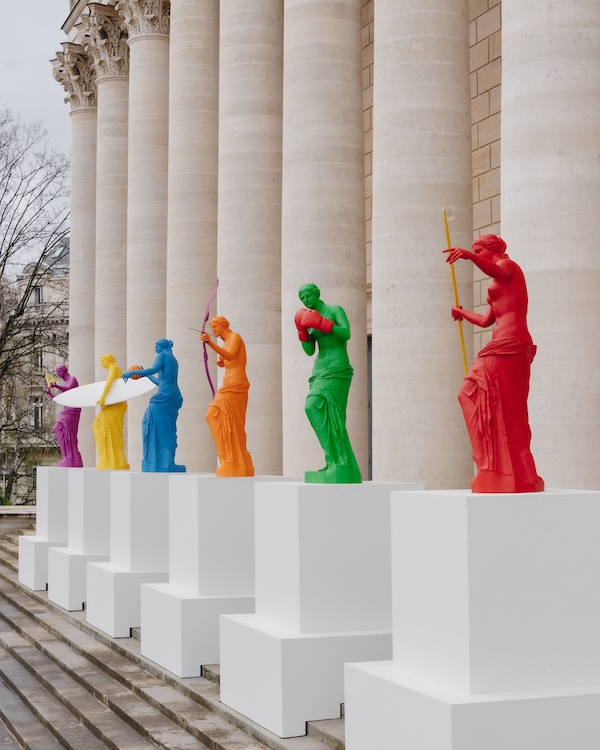
We tend to consider sport and the arts separately. Government rarely combines them in a single portfolio to signal united policy. Sport and arts sectors strategize independently, and the tourism sector frames events consideration as cultural or sporting. But by thinking of them disparately, we are missing opportunity to augment impact at their intersection.
Sport, fashion, and art are converging and next generations see them as one- entertainment. If we want to engage young people, then melding sport and art makes sense. Fashion runways now feature athletic attire mixed with cultural celebrity icons whether rock stars, sports stars or movie stars, and sporting events feature the same. It is time to embrace this phenomenon.
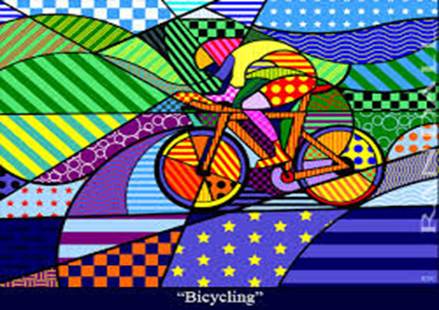
Of course, sports and the arts are intertwined and synergistic in impacts from tourism to community pride and connection. They are the essence of our cultures and in a multicultural landscape in which we live, their expression is more important to educate, unite and entertain. Their commonality extends beyond their cultural magnetism. They are vestibules of stories, memories, history, entertainment, and performance. Both entertain and captivate diverse audiences and facilitate cultural exchange. In doing so, they welcome new citizens, visitors, and local community, and inspire generations.
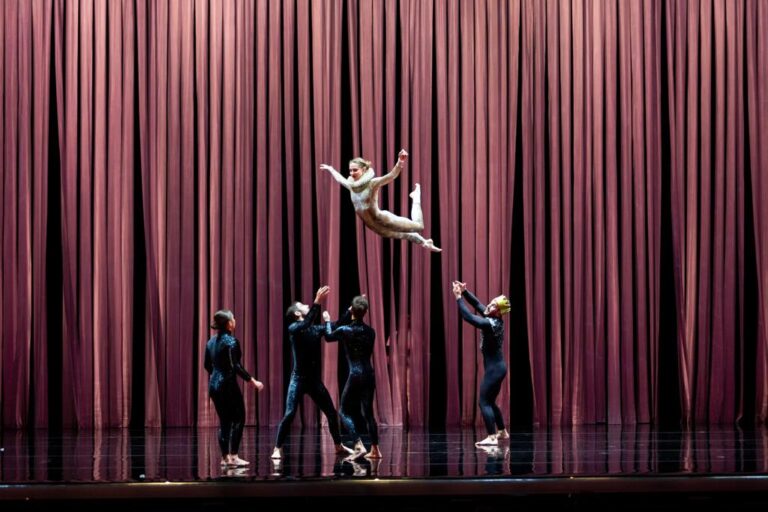
Scarcity is also at the heart of both – for the arts, its originality and for sport its excellence in physicality (and sometimes tickets) and both ignite emotion. At a recent CIRCA show, the merging of creativity and physicality by this phenomenal troupe of young, global acrobats was mesmerising. The synergy of arts and sport was striking.
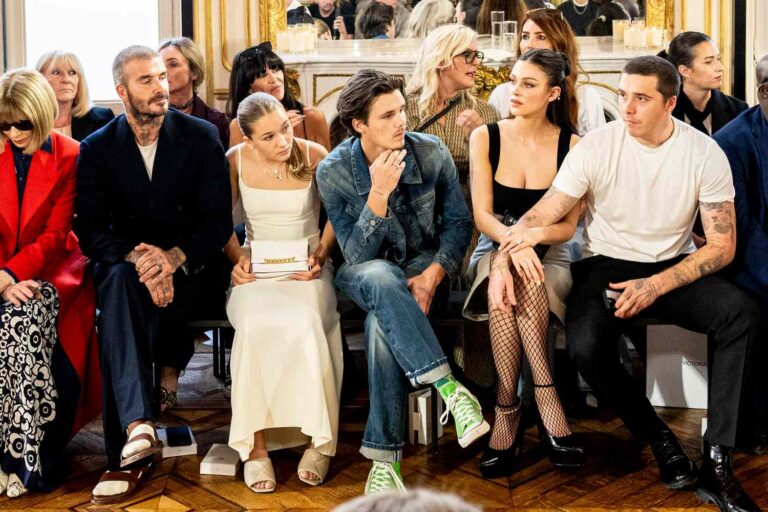
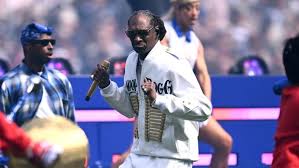
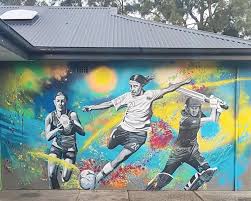
When linked, the impact of sport and the arts is exponential. There are street art and murals of sporting heroes, the rise of fashion and sport (think Brand Beckham and the rise of female athletes as fashion celebrities, bronze sporting legend statues outside stadia, the Superbowl Half time show and Snoop Dogg at the recent Paris Games and AFL Grand Final).
The annual launch of the Indigenous guernseys across Australian sporting codes and the associated unique design and cultural stories educates and engages through sport. Together, sport and art can ripple in their diplomatic impacts, as has been the case with South Korea as an example of using cultural and sporting diplomacy to open it up to the world. There are memorable songs in the name of our sporting heroes from “There Goes My Hero” “Running up that Hill,” “Chariots of Fire,” or “Eye of the Tiger.” There have been a raft of films, paintings, poems, books, and theatre centred upon sport which have won popularity and awards based upon artistic merit.
The arts are the memory keepers and makers through storytelling and creating permanence in a fleeting moment of sport. Design thinking and creativity underpin a Hall of Fame sports museum or street art recognising cultural moments and movements made through sport.
Together, they can create broader cultural conversations. Remember Vincent Namatjira’s 2020 Archibald-winning portrait of Adam Goodes, and the use of Goodes’ AFL career biometric data to form an artwork (Nagapulara Ngarngarnyi Wirra or Our Family Tree) that tells the story of the data from an Aboriginal knowledge and historic perspective.
The Cultural Olympiad associated with the Olympic & Paralympic Games is a prime example of this opportunity to harness the combined power of sport and arts cultures for greater impact. It is traditionally a program of cultural events to accompany the Games and highlight the host region’s unique culture, linked to the values of the Games. Its value is educational, inclusive, and memorable and elevates the usual “understated arts” through the visibility of a world event locally.
I’m excited about the urban art we can introduce in Brisbane and around Queensland as part of a cultural legacy for our Games and we have some of the best urban art designers in the world. I just returned from a visit to MIT in Boston and was intrigued by the urban art trail of innovation very present in the “most innovative square mile in the world.” What a gift to visitors, investors, tourists, students and children to follow a celebration trail of urban art across our region, curated by our Aboriginal and Torres Strait Islander communities combined with other urban art talents for which our region is globally renowned like Urban Art Projects (UAP).
Research tells us that participation in the arts and sport bring exponential mental and physical wellbeing, belonging and community cohesion. There are also economic opportunities by integrating sport and the arts to enhance engagement, tourism, and commercial activation during major events.
The opportunities to augment the power of sports and arts together through AI and technology is exciting- from interactive displays, enhanced accessibility for all, customised entertainment and storytelling that can enhance the human made at scale. With the integration of agentic AI in everything we do and with this, the relearning that outcomes rather than the human struggle of the journey to the output is what matters. “Made by Human” must surely therefore become more valuable in this new reality and sport, and the arts will be at the heart of this value capture- together.
The 2032 Games can harness this opportunity for collaboration, innovation and impact through arts and sport, through a legacy plan that integrates both and recognises their synergistic benefits. The events in 2032 are more than a celebration of sporting excellence but a celebration of our local culture and values.
About the Author
Professor Sarah Kelly, renowned for her global academic, leadership and governance expertise across education and sports management, drives forward-thinking initiatives to the world stage. A distinguished ‘prac-academic’, commercial lawyer and champion for inclusivity, Sarah leads with innovation and insight. For exclusive updates on the latest in sport, management, leadership, education, innovation, and research, subscribe at DrSarahKelly.com.au